Insurance Lapse While Your Car Is in Storage
Letting your policy lapse completely is risky even in storage, but you can usually switch to a cheaper storage-only policy instead.
What to do before you stop paying for coverage
- Don't just cancel it A full lapse can mean a gap on your record that insurers notice later. Call your insurer first and ask about a reduced coverage option instead of canceling outright.
- Ask for comprehensive-only Most insurers let you drop liability and collision but keep comprehensive, which covers fire, theft, and weather damage while parked. This protects the car without paying for driving you're not doing.
- Check your lender's rule If the car is financed or leased, your contract likely requires continuous coverage of some kind. Read the loan paperwork or ask the lender directly before reducing anything.
- Confirm the storage spot counts Insurers may ask where the car is stored, since a locked garage is treated differently than a street or open lot. Tell them the real location so a claim isn't denied later.
- Know the restart process Ask now what you'll need to do to reactivate full coverage before driving again. Some insurers require a new inspection or a specific notice period, so plan the timing ahead.
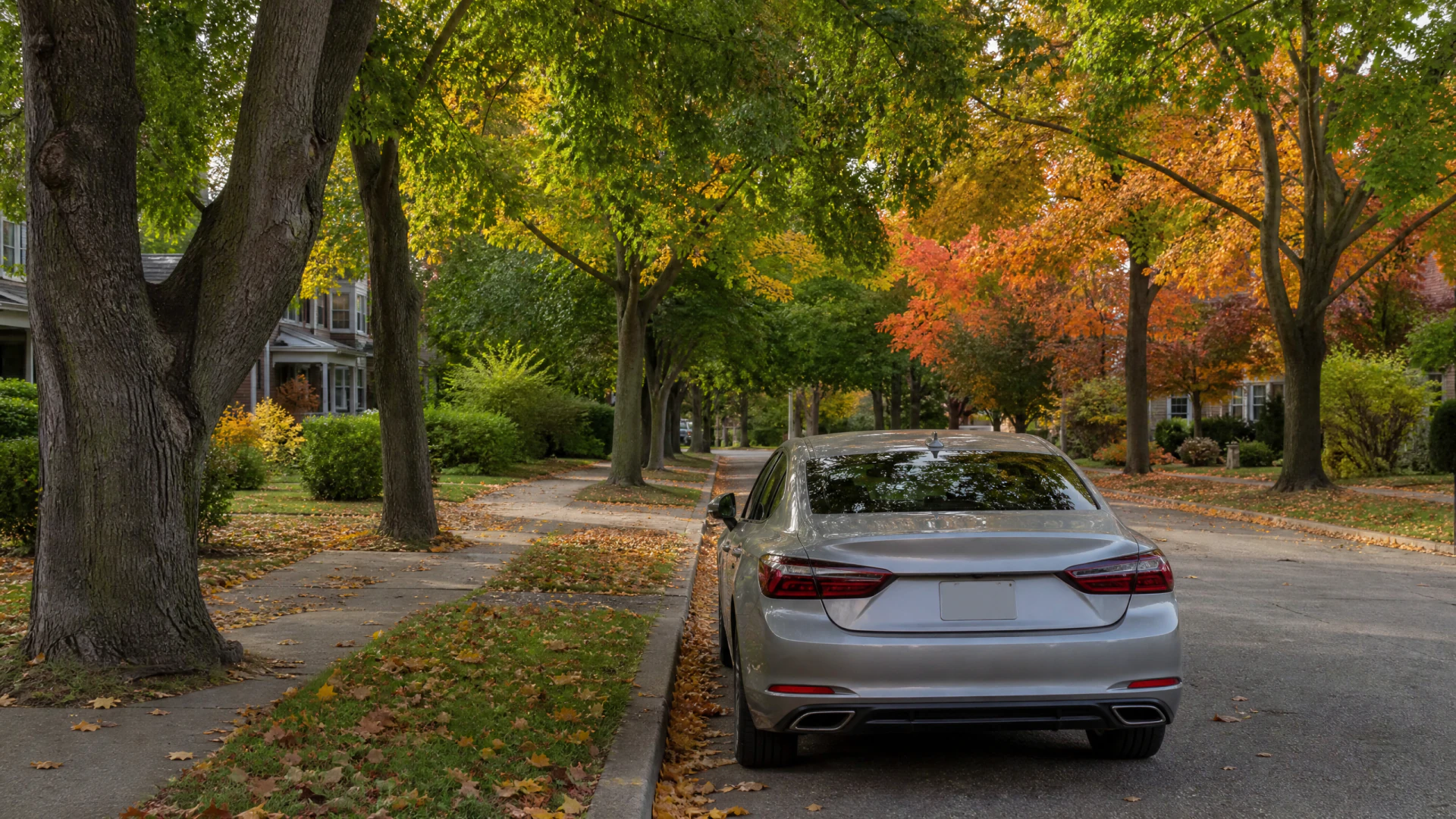
A driver storing a car for the winter
A reader was leaving for several months and didn't want to keep paying full premiums on a car that wouldn't move. Their first instinct was to cancel the policy entirely to save money, since the car would be locked in a garage the whole time. Before doing that, they called their insurer to ask what their options were.
The insurer offered a comprehensive-only policy for the storage period, dropping liability and collision but keeping protection against fire, theft, and weather. It cost much less than the full policy, and because coverage never technically lapsed, their record stayed clean and their rates didn't jump later. When they got back and were ready to drive again, reactivating full coverage took one phone call and a short wait for it to take effect. They avoided both the risk of an uninsured gap and the cost of paying for coverage they didn't need.

Compare quotes for storage-only coverage so you're protected without paying for a policy built for driving.
Will a lapse during storage raise my rates even if I never drive?
It can, because insurers often look at whether your coverage was continuous, not just whether you caused a claim. A lapse of any length can flag you as higher risk when you go to renew or switch insurers, even if the gap happened while the car sat untouched in a garage.
This is why a reduced coverage option matters so much. It keeps your file showing continuous insurance while still cutting your cost, so you avoid the lapse penalty entirely. If you've already let a policy lapse, ask the new insurer directly how they treat storage gaps, since some are more lenient if you can show the car wasn't driven and show the stored condition at the time.
A gap in coverage can cost you more later than the discount you were trying to get now.
Can I register my car as non-operational to avoid insurance entirely?
Some states allow a non-operation or planned non-operation filing that lets you drop insurance and registration together while the car isn't driven. It typically requires you to not drive or park the car on public roads at all during that time. Check with your state's motor vehicle agency, since the rules and whether this option exists at all vary widely.
Does storage insurance cover damage if someone breaks into the garage?
Comprehensive coverage generally covers theft and vandalism even while a car is in storage, as long as the policy is active. Check your specific policy wording, since some insurers exclude certain locations or require proof the space was locked. If the garage isn't on your property, confirm with the insurer whether that location is covered the same way.
How long can I keep comprehensive-only coverage before switching back?
There's no fixed limit in most cases, but insurers expect you to notify them before you start driving again. Driving with only comprehensive coverage active means you have no liability protection, which is illegal in almost every state. Call your insurer as soon as you have a return date so full coverage is active before the car leaves storage.