How Does Lender Required Car Insurance Work
Your lender requires enough coverage to repair or replace the car, since the car is collateral until the loan is paid off.
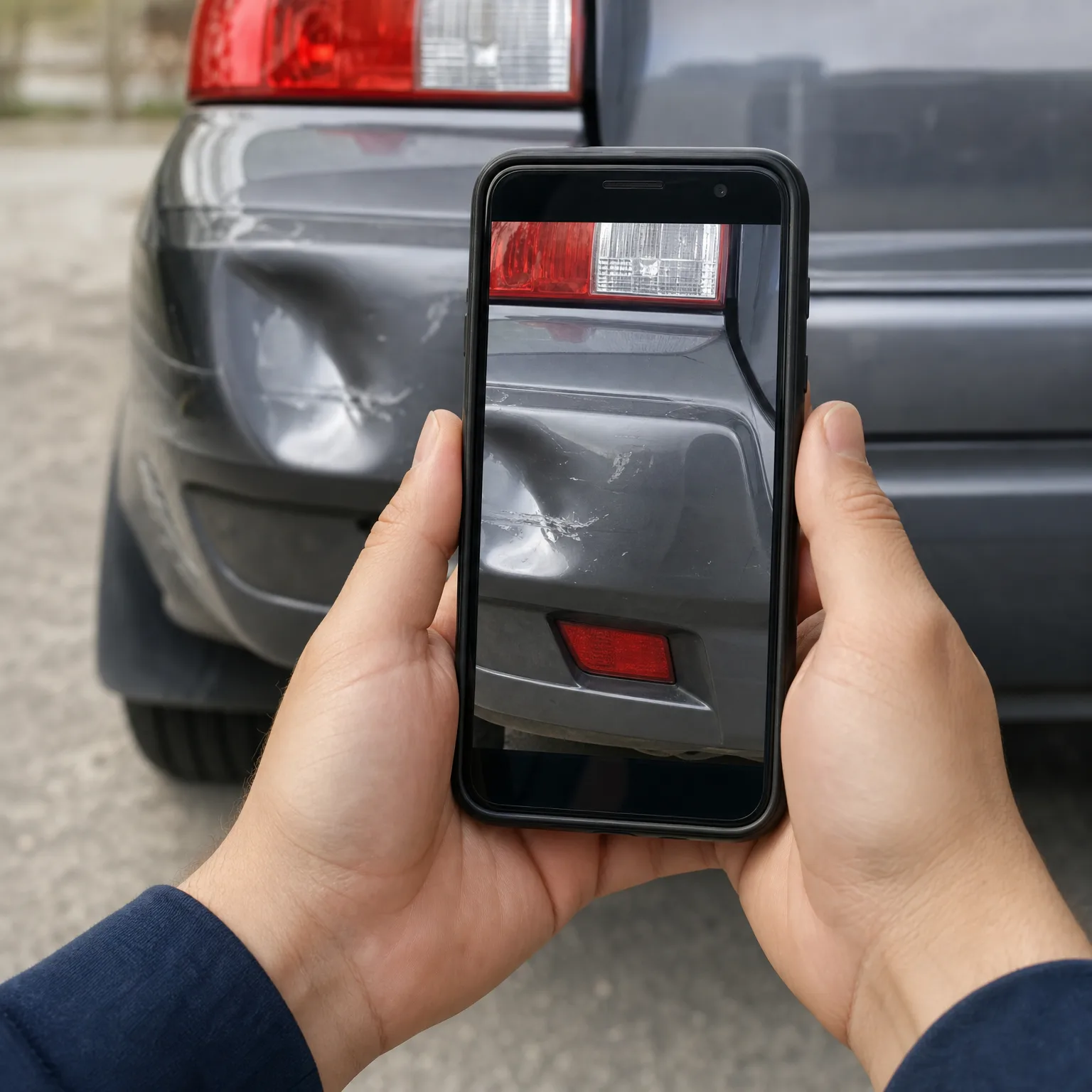
What your lender actually controls and what you still choose
- Comprehensive and collision These cover damage to the car itself, which is what the lender cares about protecting. Check your loan or lease paperwork for the exact wording of what's required.
- Deductible limits Some lenders cap how high your deductible can be, so a cheaper plan with a very high deductible might not qualify. Ask your lender directly if you're unsure, since this varies by lender.
- Gap coverage If you owe more than the car is worth, a lender may require this to cover the difference after a total loss. Check your loan agreement or ask your lender if it's required or just offered.
- Proof of insurance Your lender expects your insurer to send them proof directly, often called a declarations page or certificate. Give your agent the lender's name and loan number so this happens automatically.
- Staying insured without gaps If your policy lapses, even briefly, your lender may find out and act. Set up automatic payments or reminders so coverage never lapses while you still owe money on the car.
What happens if I let my insurance lapse on a financed car?
If your lender discovers your coverage has lapsed, they can place their own policy on the car and bill you for it. This is called force-placed or lender-placed insurance, and it is almost always far more expensive than anything you could buy yourself. It typically covers only the lender's interest in the car, not you, so it won't pay out if you're in an accident or if someone sues you.
This coverage gets added to your loan payments, sometimes without much warning, and getting it removed can take time even after you prove you have your own policy. The way to avoid this entirely is to keep continuous coverage and make sure your insurer has your lender listed correctly, so renewals and payments don't slip through unnoticed.
The coverage your lender requires protects their investment first, but it's your policy to shop and control.
Now that you know what your lender actually requires, compare quotes that meet it without paying for more than you need.
When a lender's letter catches a driver off guard
A driver named Mara financed a used car two years ago and had been paying her insurance on time every month. When she switched insurers to save money, her new policy started on schedule, but her agent typed the lender's address wrong on the proof of insurance sent over. A few weeks later, Mara got a letter from her lender saying they had no record of coverage and would be adding force-placed insurance to her loan.
She called her new insurer first, who confirmed the policy had been active the whole time and resent the proof with the correct lender address. Then she called her lender directly, explained the mix-up, and asked them to remove the placeholder coverage and any charges tied to it. It took about two weeks to clear up, and her lender backdated the correction once they received the accurate paperwork. Since then, Mara calls her lender anytime she switches insurers, just to confirm the paperwork landed correctly, instead of assuming it did.

Can I choose my own insurance company for a financed car?
Yes, lenders require certain coverage but don't get to pick your insurer. You're free to shop around and choose any company, as long as the policy meets the coverage types and limits your loan agreement specifies. Just make sure your chosen insurer sends proof of insurance to your lender using the correct name and loan number, since mismatched paperwork is the most common cause of lender confusion.
Does paying off my car loan change what insurance I need?
Yes, once you own the car outright, the lender's requirements disappear and you decide what coverage makes sense. Many drivers keep comprehensive and collision anyway if the car still has meaningful value, since repair or replacement costs don't go away just because the loan is paid off. Check your state's minimum requirements too, since those still apply regardless of whether you own the car free and clear.
Will my lender know if I lower my coverage after buying the car?
Likely yes, because most insurers report policy changes to lenders listed on the account. If you drop comprehensive or collision, or reduce coverage below what your loan requires, your lender may notice through this reporting and flag the account. Check your loan agreement before making changes, since violating the required coverage terms can technically put you in default even if you're making payments on time.